
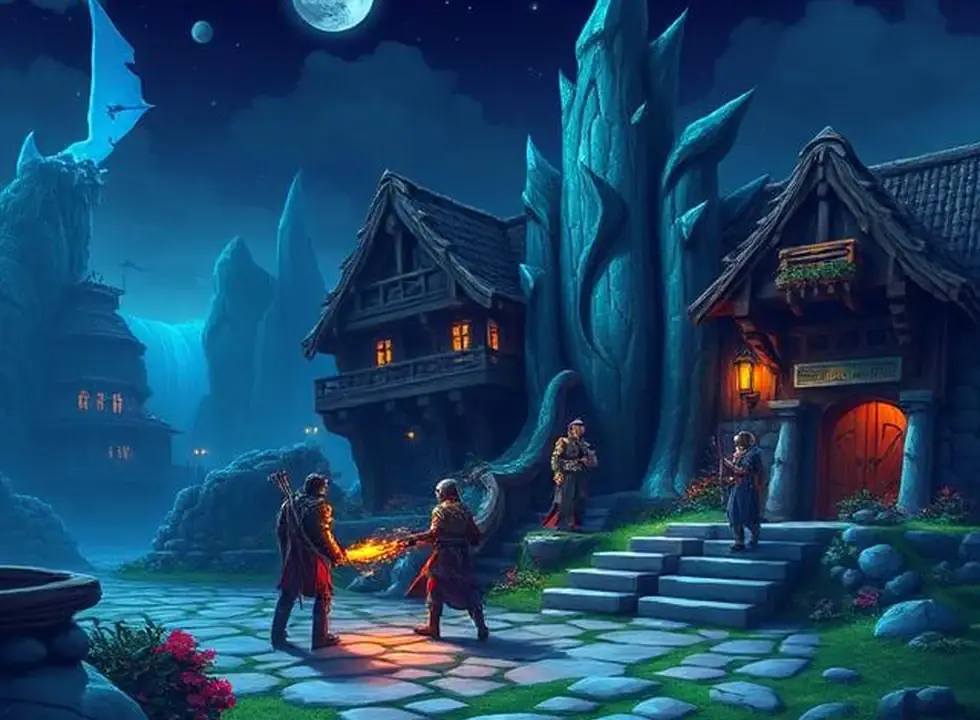
Soft survival games understand that tension can be gentle. They still ask you to gather, craft, repair and plan, but the fantasy is not always about barely staying alive. Often it is about slowly becoming comfortable in a place that once felt uncertain.
The pleasure comes from noticing change. A cold camp becomes a warm room. A ruined path becomes a shortcut. A messy inventory becomes a clean routine. These games reward care, and care is a powerful motivator.
Comfort needs friction
Cozy does not mean empty. A game becomes satisfying when comfort is earned through small decisions. Do you spend the last wood on a bridge or a bed? Do you explore one more cave before night? Do you plant for tomorrow or craft for tonight? The choices are low-pressure, but they still matter.
The best cozy survival games do not remove challenge. They change the emotional shape of challenge.
Why rebuilding feels heroic
There is a quiet heroism in repair. Fixing a workshop, helping a neighbor, restoring a garden or lighting a village path can feel more personal than saving a faceless kingdom. The stakes are smaller, but the feedback is closer to the player.
That closeness is why these games work so well after a long day. They give progress without demanding adrenaline. They let players feel capable without asking them to perform every second.
Depth under the warm lighting
The best examples hide deep systems under approachable surfaces. Farming connects to cooking. Cooking connects to stamina. Stamina opens exploration. Exploration brings materials that improve the home base. The loop feels natural because every action returns to a place you care about.
Soft survival is not a lesser version of survival. It is a different promise: you are not here only to endure the world. You are here to make it kinder.
Prefer worlds that push back?
Read our feature about living ecosystems and how reactive worlds create stories players remember.
Read next